Why Does Treasury Skills and Automation Still Need Human Judgment?

Finance teams face more pressure than ever. Cash must stay visible, risks must stay controlled, and decisions must come faster. That sounds simple, but daily work tells a different story.
Systems promise speed, yet gaps still appear. So teams often rely on people to fill them. This is where treasury skills and automation start to matter.
Automation handles routine work and saves time. However, it cannot replace judgment or clear thinking. That tension shapes how the treasury works in real life. So the real question is clear. What actually drives results, systems or people?
Marianna Polykrati answers this through real experience, not theory. She started in banking, then moved into venture capital.
Later, she built her career in corporate treasury from 2006 onward. She has worked at Chipita, Vivartia, and Avramar. Her roles covered liquidity, risk, financing, and daily operations.
She also worked closely with teams across the business. She focuses on automation and better processes. At the same time, she values people, communication, and teamwork. She also supports the Greek treasury community and mentors young professionals.
In this article, you will learn how treasury works in real settings. You will see where automation helps and where it falls short. You will also learn how to choose tools, improve forecasts, and build real impact through better decisions.
How Treasury Skills and Automation Shape Success
Treasury rarely starts as a planned career. Most people don’t choose it early. They grow into it. Many begin in banking, then shift roles, and later land in treasury. Over time, it sticks because the work stays varied and real.
The Treasury sits at the centre of business. It links cash, risk, funding, and daily work. You don’t just deal with numbers. You deal with people all day.
Why people skills matter in treasury
Treasury is cross-functional, and that shapes everything you do. You work with:
- Accounting teams
- IT departments
- Operations
- Banks and auditors
- Internal and external stakeholders
You may speak to all of them in one day. So your tone must shift fast. Clear communication isn’t optional. It drives progress.
Moreover, people make or break results. Systems help, but people decide.
Where automation helps and where it stops
Automation saves time. It handles routine tasks and clears your plate. That helps you focus on work that needs thinking.
However, it depends on good data. If your process is messy, results stay messy.
Also, forecasting still needs judgment. Things change fast, and you must adjust. Machines follow patterns, but people read reality.

Photo by Kampus Production on Pexels
How Treasury Skills and Automation Guide System Choices
You don’t always need a treasury system. It sounds obvious, but many teams still rush into one. First, pause and review how your treasury works today. Look at your processes, your data, and your real needs.
Start with what you have
Simple tools often do more than you expect. You can use:
- RPA for routine tasks
- BI reports for visibility
- Clean Excel models
- Small AI tools for basic forecasts
These can handle daily work if your setup is not too complex.
However, things change with scale. If you manage debt, hedging, or multiple risks, then structure becomes critical. In that case, a treasury system brings order and control.
Stay focused when choosing solutions
There are too many tools in the market. It gets messy fast. You start exploring everything and lose focus. So, stay clear. Define your needs first, then pick tools that fit.
What about APIs and automation tools?
APIs improve cash visibility and data flow. But they take time to set up properly.
Moreover, AI helps analyse data and compare options. But it still makes mistakes. So use it as support, not as your main system.
How Treasury Skills and Automation Improve Forecasting
AI can support forecasting, but it can’t run it alone. It needs clean data and clear inputs. If your data is messy, results won’t help much.
Where AI adds real value
AI works best when it pulls data into one place. It connects ERP data, Excel plans, and team inputs, then shows clear patterns.
Moreover, it helps you test scenarios fast. You can check cost changes, currency moves, or price drops and see the impact. That saves time and gives quick direction.
Why human input still matters
However, AI only handles numbers. It doesn’t understand why things change. It shows trends, but it can’t explain behaviour.
So you still need to:
- Speak with teams across the business
- Review and challenge assumptions
- Adjust forecasts based on real events
Also, forecasts lose strength after three months. Too many surprises come in and shift results. That said, AI still adds value. It clears the data work so you can focus on decisions.
Photo by Vlada Karpovich on Pexels
How Treasury Skills and Automation Support Growth and Impact
Success in the treasury comes from both skills and mindset. Talent helps, but hard work matters more. If you don’t build your skills, you won’t keep up.
Build the right foundation
Start with people skills. Treasury is not just about numbers. You speak with teams, banks, and leaders every day. So clear communication and empathy matter a lot.
At the same time, build strong technical skills. You must understand systems and data well. However, don’t just accept results. Always question what you see.
Think beyond your role
Don’t stop at spotting problems. Go deeper and ask why. If payments are delayed while cash is available, something else is wrong.
So you need to:
- Check how the process works across teams
- Find where the issue starts
- Fix the root cause, not just the symptom
That is where real impact comes from.
Use your strengths and stay curious
Everyone has different strengths. Some notice details, others solve problems fast. Use what fits you best. Also, try new tasks and step outside your role. That helps you understand the full business. Treasury affects people, decisions, and the whole company.
Conclusion
In short, treasury success comes from balance, not just tools or systems. Treasury Skills and Automation work best when people stay sharp and involved.
However, tools save time, but clear thinking and strong communication drive real results. So if you build both well, you don’t just cope, you lead with control.
Get Your Free Ebook
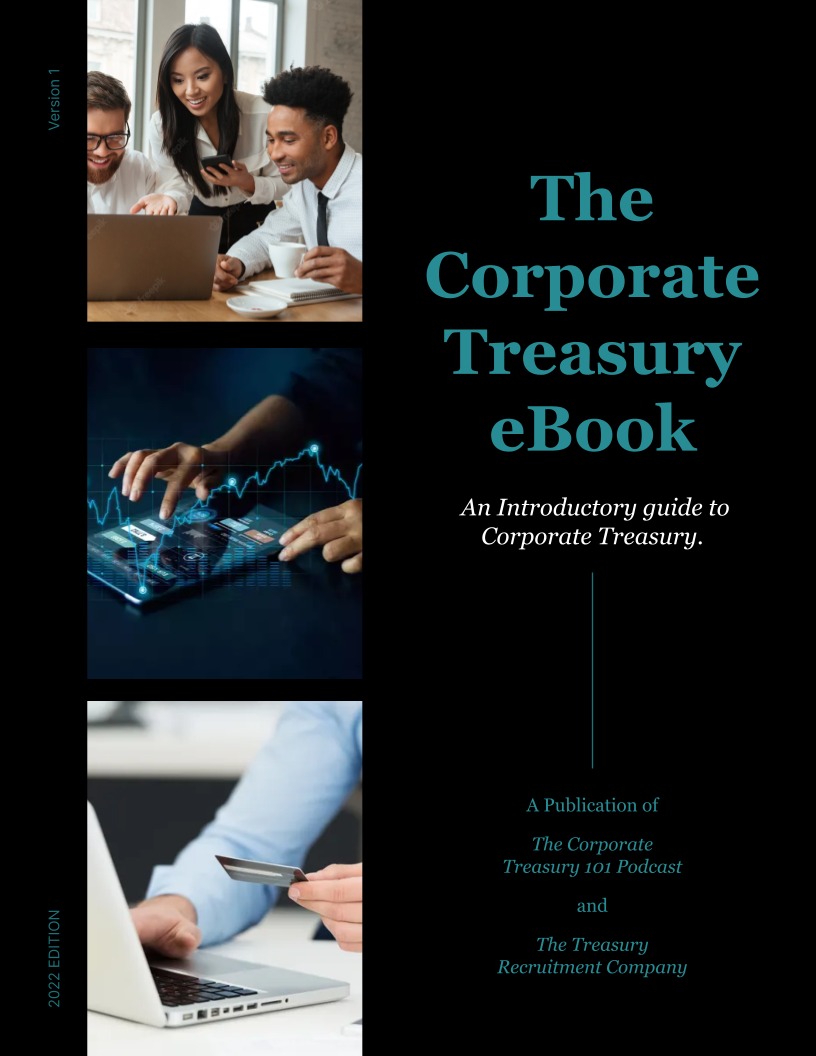
"The Corporate Treasury eBook"
Level up your Corporate Treasury knowledge with our free ebook! Explore Cash Management, Corporate Finance, Financial Risk Management, and Banking Relationship Management – all in one place
You will:
- Learn more about basic (and advanced) Treasury concepts
- Get the best examples from 110+ podcast episodes & interviews
- Understand all the functions covered by Corporate Treasury

We hate spam: your email address will never be shared or sold. By signing up here, you will receive articles, videos, commercial offers, podcasts, and other tips to help you with Corporate Treasury and anything that can directly or indirectly assist you with it. See full legal notices at the bottom of the page. You can unsubscribe at any time.